- sales@zepel.co

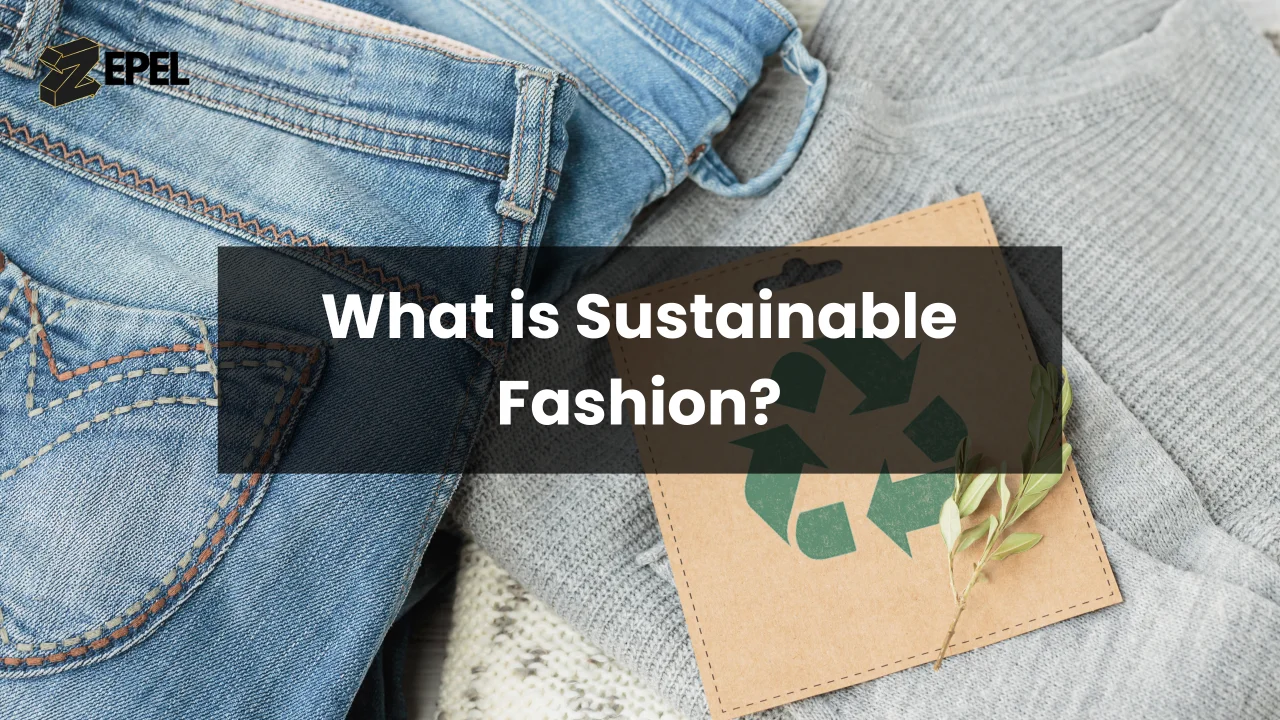
The term sustainable fashion is everywhere, yet for many brands and manufacturers, it remains a confusing buzzword—an ideal that feels expensive, complex, and just out of reach. But what if it wasn’t? What if sustainability wasn’t a vague marketing trend, but a practical, operational blueprint for building a more resilient, profitable, and reputable business? This guide cuts through the noise to answer the fundamental question: what is sustainable fashion, really? We’ll move beyond definitions to deliver actionable insights for both brands looking to transform their sourcing and manufacturers ready to meet the growing demand for responsibility.
At its core, fashion sustainability can be understood as a system that refers to clothing and textiles produced in ways that are environmentally friendly, socially responsible, and economically viable across the entire supply chain.
Unlike conventional fashion models that prioritize speed and cost, sustainable fashion emphasizes:
Explore our B2B sourcing solutions for fashion brands and manufacturers.
Ethical fashion focuses primarily on people—fair wages, safe working conditions, and workers’ rights. Sustainable fashion, on the other hand, looks at the bigger picture, combining environmental responsibility with ethical production. Fair Wages Foundation aptly highlights how business relationships along the entire supply chain are interlinked and any long term sustainable venture must focus on shared responsibility and value at its core not just an add on feature.
In practice, the two concepts overlap:
For brands and manufacturers, true fashion sustainability requires addressing both.
Fashion sustainability rests on several interconnected pillars that influence every stage of production.
One of the most visible aspects of sustainable clothing is the use of eco-friendly materials. These materials reduce water consumption, chemical usage, and carbon emissions. Common environmentally friendly options include:
Choosing eco-friendly materials helps brands meet sustainability goals while maintaining product quality. Organizations like Global Organic Textile Standard (GOTS) help stakeholders identify and actively participate in sustainable practices by opting for their Voluntary Sustainability Standards (VSS). This ensures transparency and continued commitment to better textile processing methods. Learn more here.
Sustainable fashion also depends on how garments are made. Responsible manufacturing focuses on:
Manufacturers adopting these practices are better positioned to work with international fast fashion brands.
Social responsibility is a critical pillar of fashion sustainability. This includes:
European and American brands increasingly require documented proof of socially responsible manufacturing before placing orders.
The supply chain plays a defining role in fashion sustainability success. A fragmented or opaque supply chain increases risks related to quality, compliance, and ethics. Transparent supply chains allow brands to:
Talk to our sustainable apparel sourcing experts to build a more responsible and transparent supply chain.
Sustainable clothing is the tangible outcome of sustainable fashion principles. It is designed to last longer, perform better, and have a lower environmental footprint.
Key characteristics of sustainable fashion clothing include:
For brands, sustainable clothing strengthens customer trust. For manufacturers, it increases repeat business and long-term contracts.
A sustainable fashion brand is no longer niche—it is increasingly the industry standard. Brands are shifting toward sustainable fashion because:
Fashion sustainability has become a competitive advantage, not just a moral choice. Forbes highlights how consumer trends are drastically changing globally and in an article titled State of Fashion Sustainability point out that in order to win and keep customers, brands must align with evolving expectations—delivering meaningful value that today’s consumers increasingly prioritize.
For manufacturers, sustainability is now a gateway to international markets. European and American buyers expect:
Manufacturers that invest in sustainable fashion practices gain access to higher-value buyers and long-term partnerships rather than short-term orders.
Zepel supports sustainable apparel sourcing by connecting global brands with pre-vetted, responsible manufacturers in Pakistan. Through its platform, Zepel helps:
By managing sourcing, manufacturing, and logistics, Zepel creates a reliable ecosystem where sustainable fashion can thrive.
Sustainable fashion is moving from aspiration to expectation. Future industry shifts will focus on:
Understanding what is sustainable fashion is the first step toward building a more responsible global textile industry. For brands, it means sourcing with confidence and integrity. For manufacturers, it means becoming future-ready and globally competitive. By working together through transparent, ethical, and environmentally friendly supply chains, the fashion industry can create lasting value—for people, the planet, and businesses alike.
It’s clothing made in ways that are good for the environment, people, and businesses, from sourcing to production.
Consumers demand it, regulations require it, and it reduces supply chain risks while boosting brand value.
Use eco-friendly fabrics, energy-efficient methods, and fair labor practices throughout production.
Yes—less waste, higher quality, and access to premium markets make it a smart investment.
Zepel links pre-vetted, responsible manufacturers in Pakistan with global brands, offering ethical sourcing and eco-friendly production solutions.

Get in touch