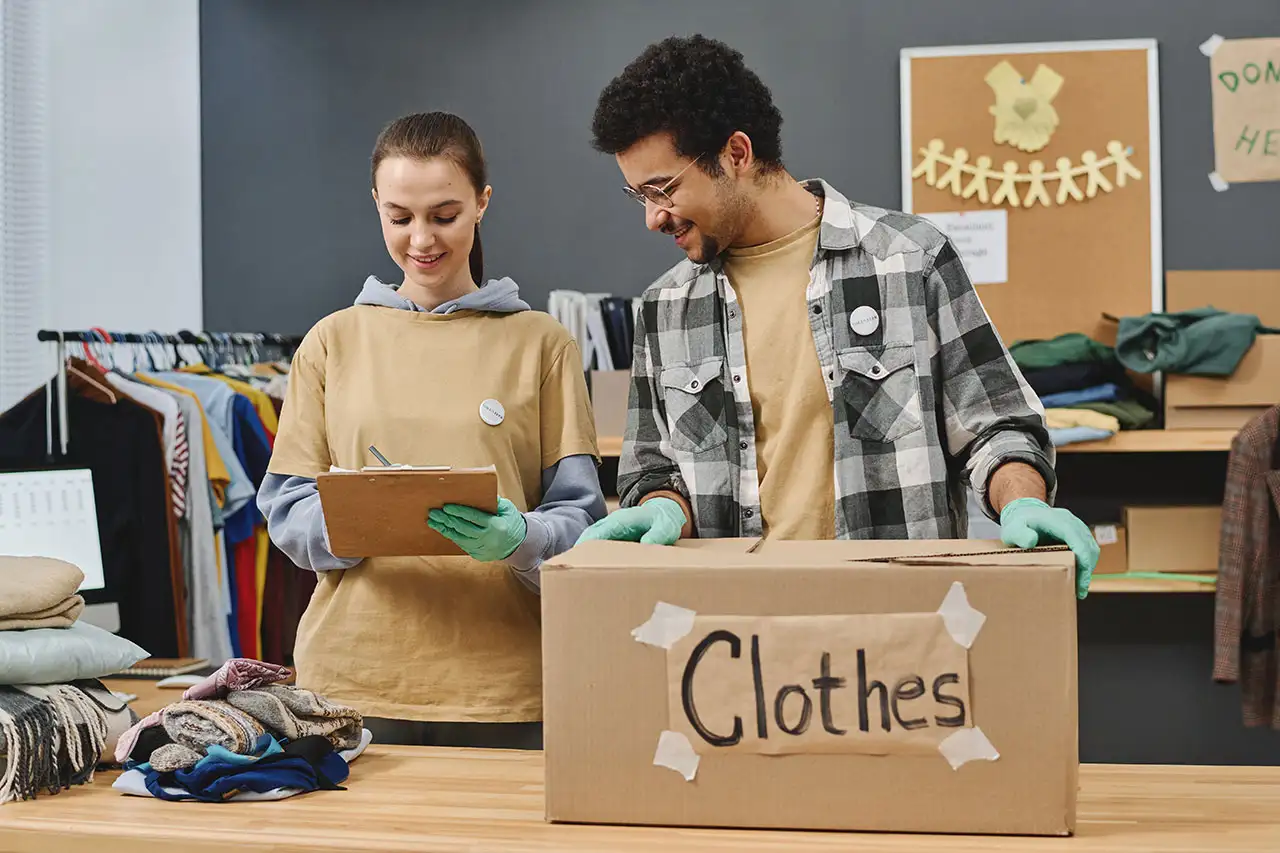
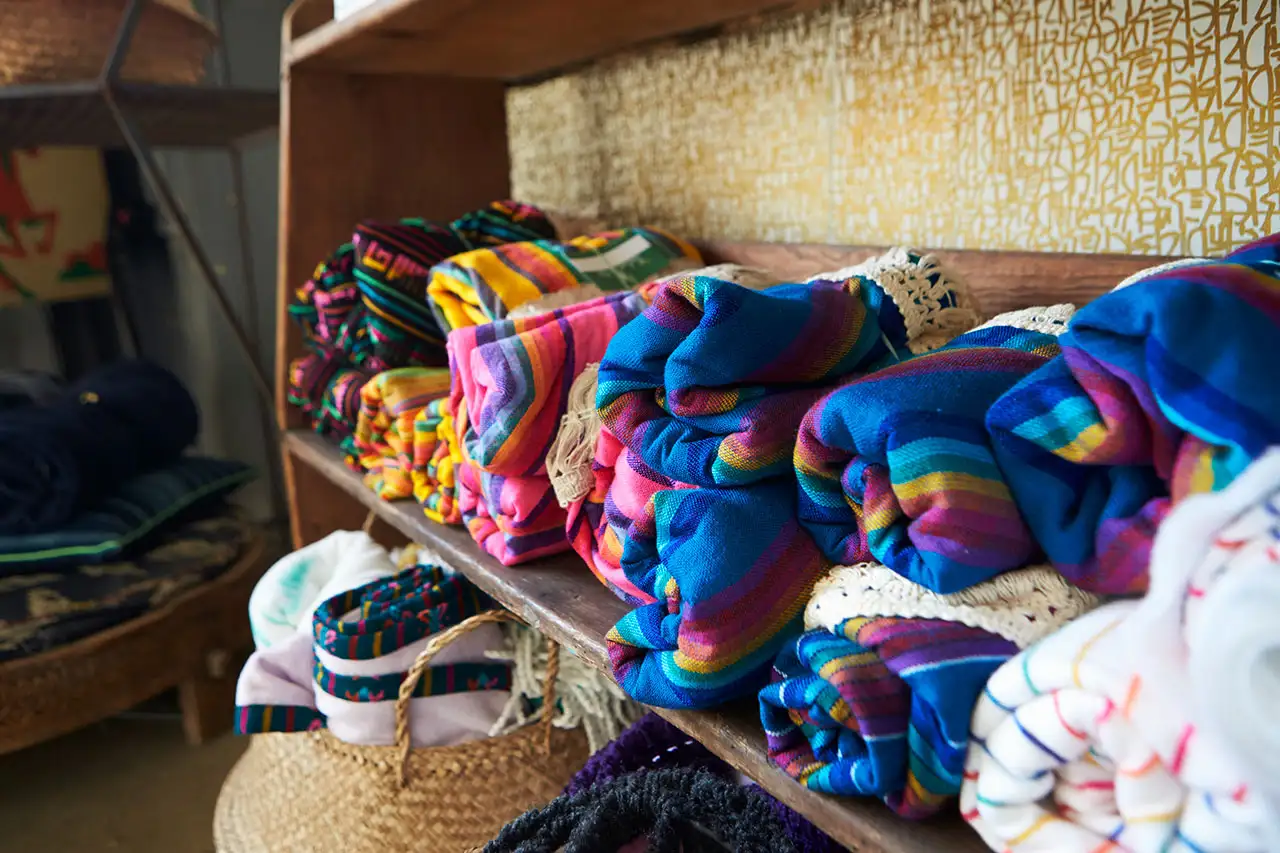
We believe that responsible manufacturing, environmental stewardship and social accountability are foundational to a long-term, resilient supply chain.
1. Purpose & Scope
Zepel’s mission is to facilitate sustainable, transparent and ethical sourcing of textiles by connecting European, UK, US brands and Pakistani manufacturers. We believe that responsible manufacturing, environmental stewardship and social accountability are foundational to a long-term, resilient supply chain.
This policy applies to all parties in our value chain: our Company operations, our registered manufacturer network in Pakistan, the brands we serve and our logistics/ freight/ supply-chain partners globally.
2. Our Commitments
a) Ethical & Social Responsibility
- We commit to fair labour standards: no child labour, no forced labour, discrimination prohibited, safe working conditions and reasonable working hours in all partner factories.
- We expect our manufacturer partners to pay fair wages (in accordance with local legal minimums and ideally moving toward living wage standards), provide worker representation, health & safety measures and freedom of association.
- We support the empowerment and development of factory workers and management in our network, including training, upskilling and continuous improvement.
- We maintain transparency: manufacturer partners must disclose factory locations, production capacity, certifications and subcontracting practices.
b) Environmental Responsibility
- We will prioritise sourcing of sustainably-certified materials, for example fabrics certified to recognised standards such as the Better Cotton Initiative (Better Cotton) for cotton fibres.
- We require that chemicals, dyes and finishing processes in manufacture comply with internationally-recognised standards (e.g., Zero Discharge of Hazardous Chemicals (ZDHC) guidelines) and local regulatory requirements.
- We actively promote improvements in resource efficiency: water usage, energy consumption, waste generation, and packaging. Where practical, we favour low-impact technologies (e.g., waterless dyeing), renewable energy sources, reuse and recycling of materials.
- We are committed to traceability and transparency of our supply chain: from raw materials through to finished product, across manufacturers, sub-suppliers and logistics. As markets evolve (EU, UK, Australia) we will align with emerging standards such as Digital Product Passports (DPP) and full chain traceability.
- We support circularity: minimizing waste, designing for reuse or recycling, reducing overproduction and extending product life-cycles.
c) Governance, Monitoring & Continuous Improvement
- We will establish and maintain a Supplier Code of Conduct which all registered manufacturers must sign and agree to abide by.
- We will conduct audits (either in-house or via independent third-parties) of factory partners for ethical, environmental and social criteria. Non-compliance will lead to improvement plans or termination of relationship.
- We will publish periodic progress updates/ reports (annually) on our sustainability performance, key metrics (e.g., % of certified materials, reduction in water/energy use, waste diverted, number of audited factories) and improvement targets.
- We recognise sustainability is a journey not a one-time achievement. We commit to setting measurable targets (e.g., reduction in greenhouse gas emissions, percentage of recycled content, etc.) and review them regularly.
3. Key Performance Areas & Targets of Sustainability Policy
- Increase use of certified sustainable fibres (Better Cotton, GOTS, GRS) year on year.
- By [insert year] achieve [X]% of sourcing from recycled or certified materials.
- Reduce water consumption in partner manufacturing by [insert %] relative to baseline year.
- Reduce energy consumption (or shift to renewable sources) in partner factories by [insert %] by [insert year].
- Zero tolerance for hazardous chemical discharge; ensure partner factories meet ZDHC MRSL standards.
- Achieve full traceability of Tier-1 partner factories and major Tier-2 suppliers by [insert year].
- Promote circularity: partner with brands/manufacturers to explore reuse, repair, recycling of textile products.
- Regular training and capability-building of manufacturer partners in Pakistan to embed sustainability practices.
4. Roles & Responsibilities
- Zepel Management: accountable for ensuring the policy is implemented, maintaining oversight of the sustainability programme, setting targets, publishing progress, and resourcing the programme.`
- Brands / Buyers: we encourage brands using Zepel’s platform to commit to sourcing responsibly, ask for transparency, participate in joint improvement efforts and provide support where relevant.
- Manufacturers / Suppliers: must adhere to the Supplier Code of Conduct, provide data/ documentation, engage in audits, continuously improve their social and environmental performance.
- Logistics & Freight Partners: include environmental considerations (e.g., efficient routing, consolidation of shipments, lower-carbon transport modes) and align with our sustainability goals.
5. Scope & Limits
- This policy covers Zepel’s operations and those steps in the supply chain which we influence (registered manufacturers, partner brands, logistics). While we strive for end-to-end oversight, we recognise some sub-tiers may be beyond our direct control. We commit to working collaboratively with partners to extend our reach.
- We acknowledge regulatory and market requirements differ by region (UK/EU/US/Australia). We will endeavour to align our approach with best-practice in each region, and adapt as legislation evolves.
6. Review & Amendment
- This policy is reviewed at least annually by Zepel’s leadership/ sustainability team.
- We may amend it from time to time to reflect changes in legislation, market expectations or our business model. Updated version will be published on our website and communicated to key stakeholders.
7. Communication
- We will ensure this policy is publicly accessible (on our website) and communicated internally to all staff and externally to our partners.
- We encourage feedback from brands, manufacturers, workers and other stakeholders on our sustainability practices.